
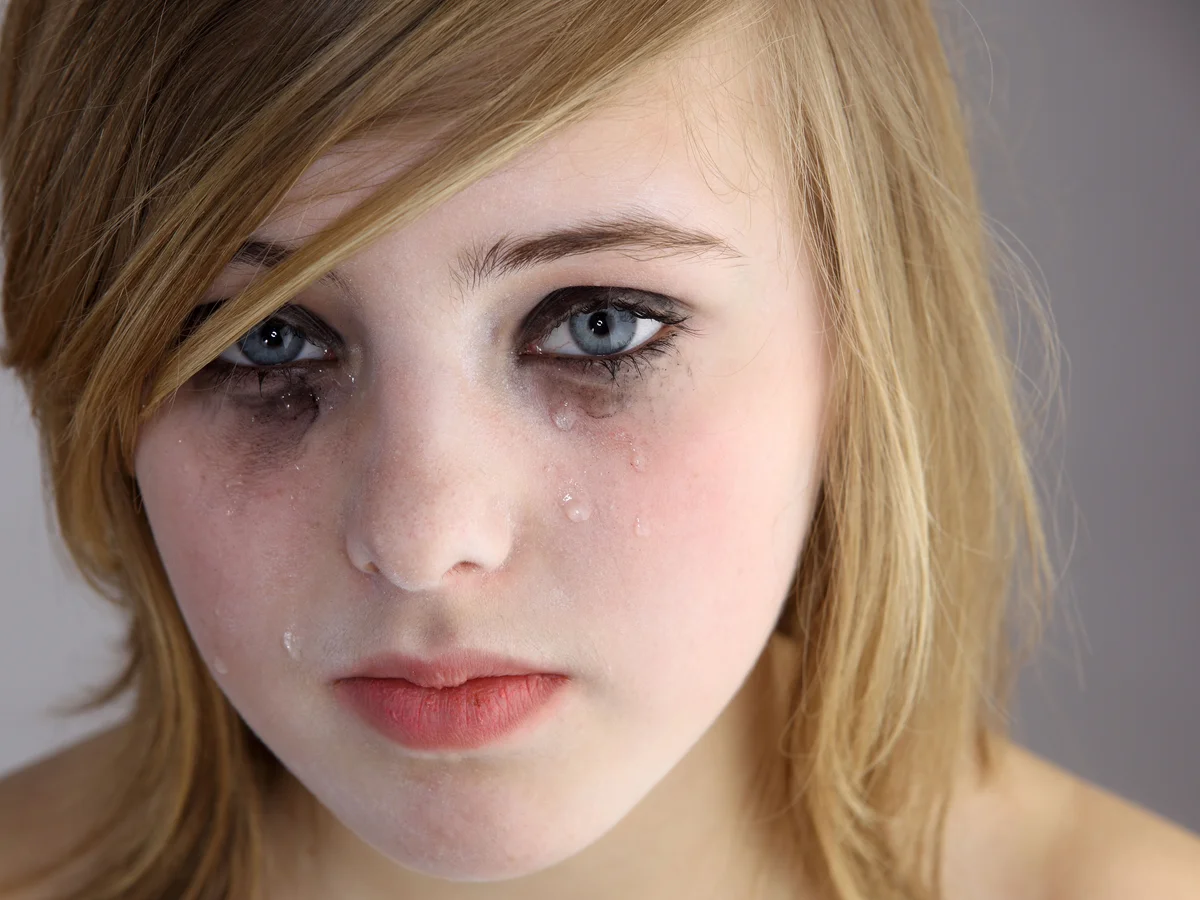
Introduction to the low income white girl eyes
TikTok trends can be fun. One of the most interesting new trends is “low income white girl eyes.” This aesthetic is striking and has gone viral. It is both loved and criticized, and for good reasons. There is something about this aesthetic that really connects with lots of individuals. But what are “low income white girl eyes”? And why are they so popular right now? Let’s look at this interesting trend and the shifting perceptions of beauty on TikTok.
The origins of the trend and low income white girl eyes
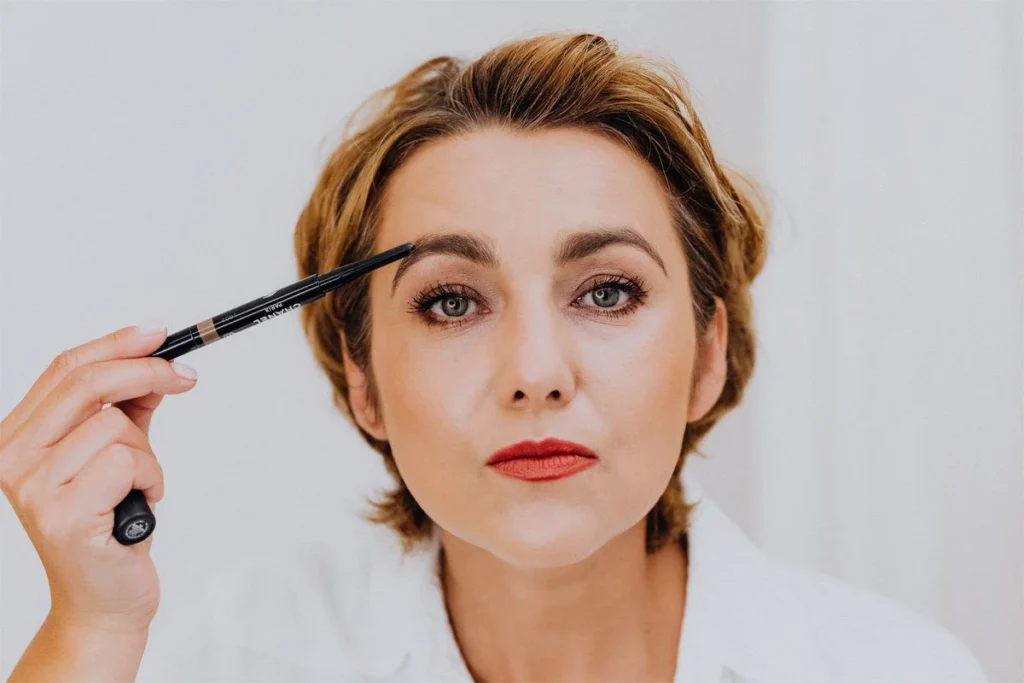
The “low income white girl eyes” trend appeared on TikTok and became a cultural phenomenon. It attracted users looking to showcase an unfiltered side of themselves.
The spread of this trend relied on social media. Aesthetic dreaming videos, especially targeting this look, became viral hits, starting a conversation about identity and self-expression. The hashtag that became associated with this trend inspired a host of videos on a wide variety of social media platforms. The expansion of this aesthetic trend began to include pieces of conversation about an individual’s socio-economic history. Personal narrative and experience were interwoven seamlessly with those claiming the individual style.
Criticism and controversy low income white girl eyes
Critics of the low income white girl eyes trend have not pointed out the aesthetic of poverty and cultural appropriation as problematic for the patronization of poverty. Ignoring the realities and experiences of poverty dehumanizes poverty. Some critics of the aesthetic have noted how the aestheticization of poverty and “trendy” financial struggles glamorizes the complexities and systemic ramifications of financial struggles. Poverty and financial struggles are not merely individual issues or a lack of agency.
Young people are prone to mental health problems and problematic self-comparisons as they strive to attain the idealized and aestheticized bodies of TikTok. Agencies of social media promote problematic self-comparisons with curated TikTok users and exacerbate feelings of inadequacy and anxiety.
Debate and discussion around the aesthetics of the low income white girl eyes trend are not merely a social media phenomenon. Upon examining the aestheticization of poverty, one can analyze self-expression vs the veneration and worship of financial struggles.
Analysis of the impact and low income white girl eyes
Social media, particularly TikTok, has seen a dramatic rise in trends tagged “low income white girl” which importantly relates to notions of “authenticity” and “relatability” for those who are, or feel, marginalized and invisible in society. This aesthetic is different from others in the sense that it gives participants a means of reflecting and portraying their lived experiences in a certain socio-economic framework through their makeup and clothing.
There is a certain degree of “rawness” in this type of portrayal that fosters a sense of community among users who have endured similar experiences. The aesthetic in question, and the attention it is garnering, also has certain ethical issues to reckon with, specifically cultural appropriation and exploitation.
This type of content has been accused of romanticizing poverty while ignoring the more nuanced and “deeper” issues related to systemic poverty. This, to a certain degree, enables discussion about the issues of identity and self-presentation that the digital milieu has in contemporary times. It also enables users to engage in the underlying issues of privilege, discourse, and the socio-culturally constructed beauty norms.
Conclusion: Is this trend harmless low income white girl eyes?
The ‘low income white girl eyes’ trend, articulated through platforms such as TikTok, has attracted considerable interest within popular discourse. Some consider the trend whimsical and as an opportunity to masquerade individuality and playful defiance of beauty standards, while others view the trend as banal and failing to recognize the intersection of class and race. Advocates reviewing the aesthetic on the positive side frame the phenomenon as fostering solidarity among participants, an opportunity for creative production and self-expression, and community building, all of which retain considerable significance in the lives of contemporary youth.
Conversely, critics may see the social practice as providing continuities to the normative visibility of negative stereotypes and, hence, participants in the social order as contributing to the trivialization of multiple, real, and interlocking socio-economic inequities.
The trend has numerous implications and can be ascribed to the ongoing discourses related to social identity and representation in digital space. Cultural theory has advanced popular understanding—they may be playful for some, while for others, they may serve as a vehicle for a multitude of deep social meanings.
In dealing with such trends, understanding their implications becomes necessary to determine how to interact with them, as well as what those trends communicate regarding our principles and beliefs. Regardless of whether it is embraced or critiqued, the influence of low income white girl eyes will undoubtedly spill over the screens and into daily discourse surrounding the concepts of identity and authenticity.